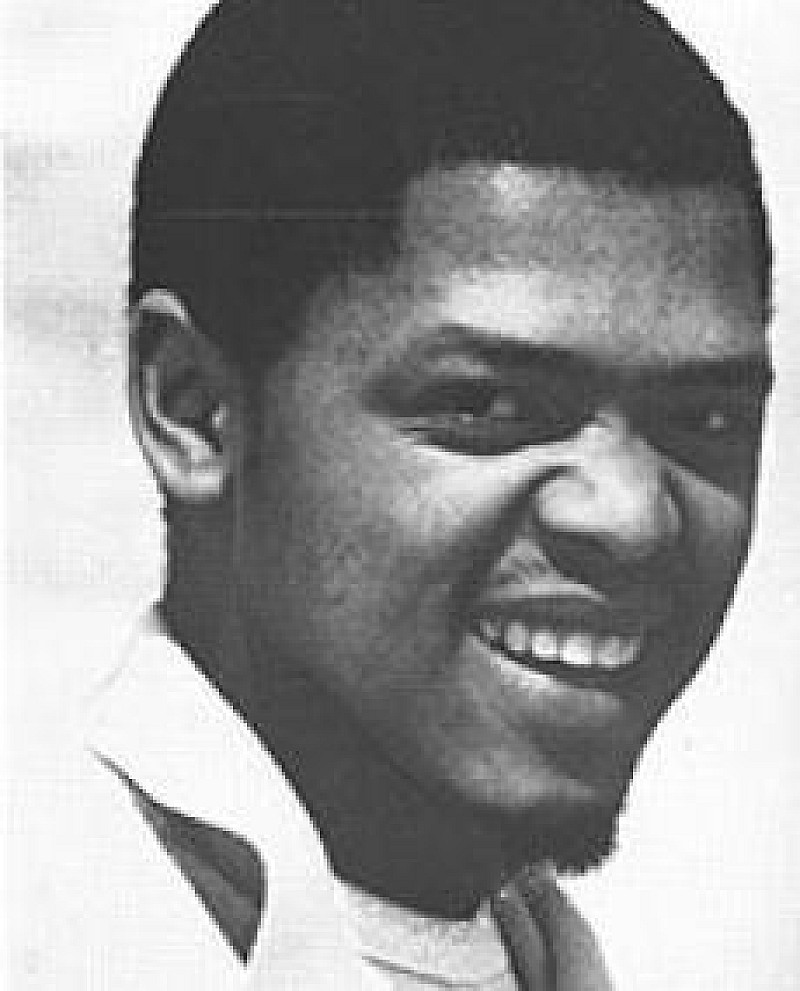
Formative Years in Johannesburg (1957–1963)
At 15, following his father’s death, Dumile moved to Johannesburg. He worked briefly as a policeman before shifting to a foundry, where he learned ceramic and bronze techniques. He joined a loose collective of artists and was introduced to gallery owner Madame Haenggi, beginning a crucial professional relationship. In 1963, Dumile contracted TB again and was hospitalized in Soweto, where he met artist Ephraim Ngatane. They became close collaborators and painted murals together.
Breakthrough and Recognition (1964–1967)
Dumile’s career advanced after connecting with prominent artist Bill Ainslie, who became his mentor. Dumile exhibited at several major South African galleries and earned critical acclaim, including a merit award at the South African Breweries Art Prize. His style—emotionally intense, spiritual, and modernist—stood out against township art norms.
In 1967, Dumile visited Lesotho, engaging in collaborative projects and producing notable works like Who is Guilty? He also created the politically charged African Guernica, reflecting themes of suffering and resistance under apartheid. His art began attracting government scrutiny for its perceived political content, especially for his depictions of figures like Albert Luthuli.
Exile and International Career (1968–1991)
Facing harassment from apartheid authorities, Dumile chose exile over imprisonment and left for London in 1968. There, he exhibited at Grosvenor Gallery to critical praise and began participating in international shows. He later moved to the U.S., living in New York and Los Angeles. In the U.S., he was artist-in-residence at UCLA and taught at the Massachusetts College of Art. He also earned a degree in film and television at NYU.
Despite growing acclaim, Dumile struggled financially, often living in poverty. He contributed to political causes through his art, such as anti-apartheid exhibitions and campaigns. His final years were difficult, marked by homelessness and economic hardship.
Death and Legacy
Dumile died of a heart attack in 1991 in a New York jazz record shop, just before a planned return to South Africa. His funeral was held in Lenasia.
Critics remain divided over the nature of Dumile’s art—some emphasizing emotional spontaneity, others deliberate political messaging. His unique, often anguished style, rooted in social realism and spiritual abstraction, continues to influence and provoke discussion in contemporary South African art.